
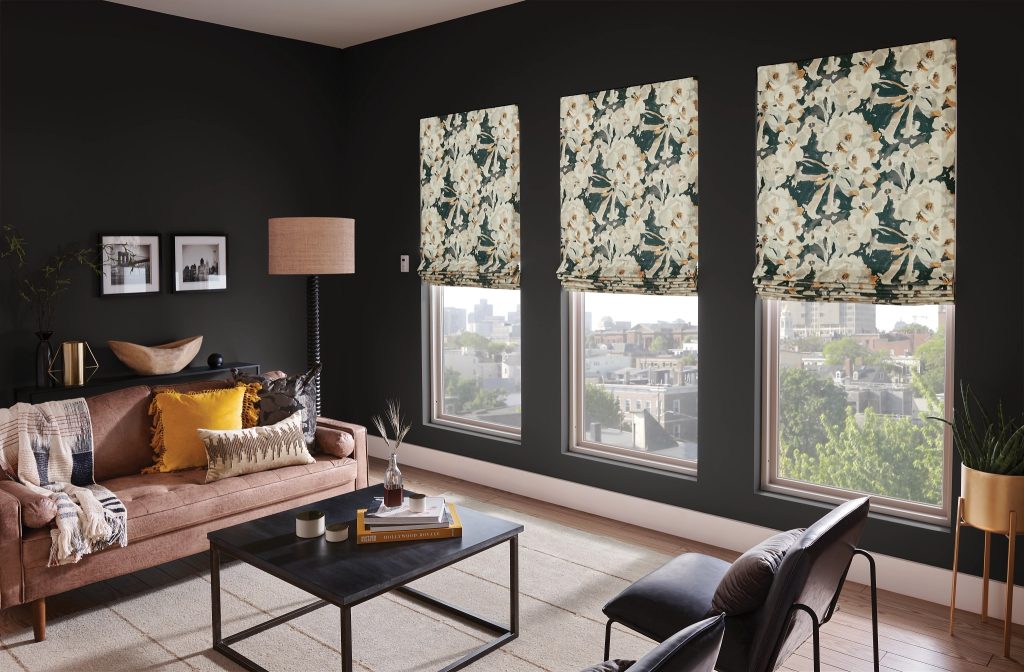
By 2 PM on a July afternoon in Nashville, your west-facing windows become radiators. That intense Tennessee sun—averaging 208 sunny days per year (Source: National Oceanic and Atmospheric Administration, 2023)—doesn’t just fade your furniture. It drives up your Nashville Electric Service bill and turns your living room into a greenhouse. If you own a Craftsman bungalow in East Nashville or a transitional home in Brentwood, you’ve likely noticed basic vinyl blinds can’t keep pace with our climate.
Roman shades solve this specific problem with engineered fabric construction that filters harsh UV rays while preserving the architectural character your Nashville home deserves. Unlike the mass-produced options flooding big-box stores, custom roman shades Nashville homeowners choose are measured to your exact windows, lined for thermal efficiency, and styled to complement everything from the historic charm near the Ryman Auditorium to the contemporary builds populating Franklin.
Why Nashville’s Climate Demands Quality Fabric Window Treatments
Your home battles two seasonal extremes. Summer heat indexes regularly exceed 100°F, while winter mornings drop into the low 20s—a 80-degree swing that stresses every window in your house. According to the U.S. Department of Energy, approximately 30% of a home’s heating energy is lost through windows (Source: U.S. Department of Energy, 2023). That statistic hits Nashville homeowners especially hard when January NES bills arrive.
UV Protection That Preserves Your Investment
The Broadway Historic District didn’t maintain its beauty by accident—preservation requires intentional protection. Inside your home, the same principle applies. Unfiltered sunlight degrades hardwood floors, fades upholstery fabrics, and damages artwork. Quality roman shades with UV-blocking liners can reduce harmful rays by up to 99% (Source: Window Covering Manufacturers Association, 2022). For Forest Hills homeowners with antique furnishings or investment-grade décor, this protection pays for itself.
Thermal Efficiency That Lowers Your NES Bill
Roman shades create an insulating air pocket between the fabric and your window glass. This dead air space slows heat transfer in both directions. Cellular-lined roman shades can improve window insulation by up to 40% compared to bare glass (Source: ENERGY STAR, 2023). When your air conditioning doesn’t work overtime against that afternoon sun, you’ll see the difference on your monthly Nashville Electric Service statement.
Matching Roman Shade Styles to Nashville Architecture
Cookie-cutter window treatments look exactly that—generic. Nashville’s diverse housing stock demands fabric window shades selected with architectural context in mind. Here’s how to match your home’s character:
| Nashville Neighborhood | Dominant Style | Recommended Roman Shade Approach |
|---|---|---|
| East Nashville | Craftsman Bungalows | Flat-fold romans in textured linens, earth tones |
| Brentwood | Transitional/Traditional | Relaxed romans with tailored pleats, neutral palettes |
| Franklin | Modern Farmhouse | Hobbled romans in natural fibers, soft whites |
| Forest Hills | Colonial Revival | Classic flat romans with contrast banding |
Craftsman Bungalows: Honoring Original Character
Those signature grouped windows in East Nashville Craftsman homes deserve treatments that respect their proportions. Flat-fold roman shades in heavyweight linen or cotton duck fabric stack compactly at the top, preserving your view of original woodwork and divided-light windows. You want the shade to disappear when raised—not compete with your home’s historic details.
Transitional Homes: Balancing Classic and Contemporary
Brentwood’s transitional architecture blends traditional proportions with modern finishes. Decorative window treatments Nashville designers recommend for these homes often feature relaxed romans—a style with gentle folds that reads softer than flat construction but cleaner than balloon shades. The effect complements open floor plans without overwhelming contemporary furniture.
Custom Roman Blinds: The Installation Process
Unlike big-box alternatives, custom roman blinds Nashville professionals install begin with precise in-home measurements. Every window opening is documented—width, height, mounting depth, and any obstructions like handles or trim profiles. This attention eliminates the light gaps and crooked hangs that plague ready-made options.
What to Expect During Your Consultation
Your design consultation covers four essential decisions:
- Mounting position: Inside-mount for a clean integrated look, or outside-mount to make windows appear larger
- Fabric selection: Light-filtering for ambient glow, room-darkening for bedrooms, or blackout for media rooms
- Lift mechanism: Cordless for child safety (required by CPSC regulations since 2023), continuous cord loop, or motorized for high windows
- Style details: Flat, hobbled, relaxed, or balloon construction; optional contrast banding or decorative trim
Timeline From Measurement to Installation
Quality custom fabrication requires time. After your consultation, expect:
- Fabric samples reviewed in your home’s actual lighting—48 hours
- Final measurements and order placement—same visit as sample approval
- Workroom fabrication—typically 3-4 weeks for standard orders
- Professional installation—completed in one visit, usually 2-4 hours depending on quantity
This timeline ensures your roman shades arrive ready to perform, not requiring returns or adjustments that delay your UV protection.
Why Nashville Homeowners Trust Local Window Treatment Specialists
National online retailers can’t walk through your home, observe how afternoon light moves through your Forest Hills living room, or recommend whether your Franklin farmhouse needs blackout lining in the primary bedroom. Local expertise matters—especially when you’re investing in treatments that should last 15-20 years.
“We’ve served Middle Tennessee homeowners since 2008, completing over 4,200 custom window treatment installations across Davidson and Williamson counties. Every project includes a 5-year workmanship warranty, and we maintain relationships with fabric suppliers who meet our quality standards—not just the cheapest options available.”
Our Operational Commitments
When you work with a local window treatment specialist, you receive:
- Licensed, insured installers (TN Contractor License verified)
- Direct communication—no call centers or ticket systems
- Post-installation adjustments at no additional charge
- Cleaning and care guidance specific to Nashville’s humidity levels
These aren’t generic promises. They’re the standards that East Nashville and Brentwood homeowners expect from service providers who understand hometown value.
Investment Comparison: Roman Shades vs. Alternatives
Understanding your options helps you make confident decisions. Here’s how roman shades compare to other popular window treatments for Nashville homes:
| Treatment Type | Typical Cost Range (per window) | Lifespan | UV Protection | Insulation Value |
|---|---|---|---|---|
| Vinyl Mini Blinds | $25-$75 | 3-5 years | Moderate | Poor |
| Faux Wood Blinds | $75-$200 | 7-10 years | Good | Fair |
| Custom Roman Shades | $250-$600 | 15-20 years | Excellent (with lining) | Good to Excellent |
| Motorized Cellular Shades | $400-$900 | 10-15 years | Excellent | Excellent |
The cost-per-year calculation often favors custom roman shades. A $400 roman shade lasting 18 years costs $22 annually. A $75 vinyl blind replaced every 4 years costs $19 annually—but delivers inferior performance, aesthetics, and energy savings throughout its shorter life.
Schedule Your Complimentary Design Consultation
Nashville’s afternoon sun isn’t waiting, and neither should you. Whether you’re protecting antiques in a Forest Hills estate, updating a Brentwood transitional home, or adding character to an East Nashville Craftsman, custom roman shades deliver the UV protection, energy efficiency, and architectural harmony your home deserves.
Book your complimentary design consultation for custom roman shades and discover exactly which fabrics, styles, and configurations will transform your Nashville windows. We’ll bring samples directly to your home, measure every opening with precision, and provide a detailed quote—all with zero obligation. Your windows face Nashville’s climate every day. Give them the protection and elegance they need.
Frequently Asked Questions
How long do custom roman shades typically take to arrive after ordering in Nashville?
Custom fabrication for roman shades generally requires 3-4 weeks from final measurement approval. Rush orders may be available for an additional fee, typically reducing lead time to 10-14 business days. Your installer will confirm specific timing based on fabric availability and current workroom capacity during your consultation.
Can roman shades be motorized for hard-to-reach Nashville windows?
Absolutely. Motorized lift systems integrate with smart home platforms including Lutron, Hunter Douglas PowerView, and generic RF remotes. Battery-powered motors eliminate the need for electrical wiring, making retrofits practical for existing homes. Motorization is especially popular for two-story foyers and clerestory windows common in Brentwood and Franklin transitional homes.
What maintenance do fabric roman shades require in Nashville’s humid climate?
Regular light vacuuming with an upholstery attachment every 2-4 weeks prevents dust accumulation. For deeper cleaning, most quality fabrics can be spot-cleaned with mild detergent. Professional ultrasonic cleaning is recommended every 3-5 years. Humidity-resistant fabric treatments are available for bathroom installations or homes without consistent climate control.
Are cordless roman shades required for homes with children in Tennessee?
The Consumer Product Safety Commission enacted mandatory corded window covering safety standards effective December 2023, requiring all new installations to be cordless or have inaccessible cords in homes where children under 8 may be present. Cordless lift mechanisms, continuous cord loops with tension devices, and motorized systems all meet these requirements while maintaining full functionality.

